Thursday, September 12, 2013

D.I.Y. Grapefruit and Salt to clean your Bathtub


When it comes to making your own green cleaners, we like to change things up once in awhile. Sure, you can throw a few things together in a spray bottle and get busy, but once in awhile we like to keep it simple, fresh and smelling oh so amazing! We've been preparing our bathtub for the last month (aka not cleaning it) in preparation for this morning's super simple fruity cleaning trick!


What You Need

Materials
1 Grapefruit
1/4 cup kosher salt
Instructions

1. Halve Grapefruit: 1 medium to large grapefruit will clean your entire bath or shower from top to bottom, including all the fixtures. Simply cut it in half with a knife and you'll be all set.

2. Sprinkle With Salt: Using 1 grapefruit half at a time, sprinkle liberally with salt. Wet your bathtub and sprinkle the remaining salt around the bottom.

3. Take That Scrubbing Bubbles!Scrub your grapefruit around your shower or tub, making sure to slightly "juice" the citrus over each fixture and lifting it every few seconds to pick up fresh salt from around the tub instead of just pushing it around.

4. Rinse: When all is said and done, simply rinse away the pulpy bits and the salt and your shower is as good as new. Not only is it clean, it will smell so fantastic you'll want to curl up in it and read a book. Ok, probably not, but you get the idea!

Additional Notes:
This technique will get thick grime and dirt rings off your shower area and does amazing work on cast iron tubs especially. You can also use this method to clean your sinks, toilets, tile and more — it just depends on how grapefruit crazy you want to get!



Monday, September 9, 2013

7 Stainless Steel Kitchen Sink Refurbishing Tips

People who are attracted to practicality often favor a stainless steel kitchen sink. They rarely get rusty and they’re usually quite easy to clean. Over time, however, a stainless steel kitchen sink will show some wear and will need to be refurbished. It’s not too difficult, and with a little work you can have your stainless steel sink looking as good as new.

1. Vinegar

Vinegar is excellent for cleaning dirt from a stainless steel sink. Simply moisten a clean cloth and then pour some vinegar into it. Rub over the dirt, being sure to go along the polish lines with the cloth. After you’ve finished, rinse with warm water.

2. Rust

Although it shouldn’t happen, sometimes you can get rust on your stainless steel sink. It’s not that difficult to remove using cream of tartar and lemon juice. All you need to do is mix 1 tablespoon of cream of tartar with enough lemon juice to make a paste. Apply it to the rust area and then rinse off. If the rust doesn’t come off immediately, put more on the area and allow it to sit for an hour. Wash off with warm water. This should remove even the most stubborn rust from a stainless steel sink.

3. Things to Avoid

There are several things to avoid when you refurbish a stainless steel sink. Don’t use chlorine, including chlorine bleach, as it can react with stainless steel. Not should you use steel wool or scrub brushes. The finish on stainless steel is delicate and using these can damage it, leaving deep scratches in the surface that look ugly.

4. Olive Oil

If there’s bad streaking in your stainless steel sink you can remove it by rubbing the sink with olive oil. Put a little on a clean soft cloth and rub along the polish lines to take out all the unsightly streaks.

5. Heat Stains

It’s rare that you’ll end up with heat stains on a stainless steel sink, but it can happen. If they’re on your sink, you can remove them using club soda. Put some on a cloth and rub along the polish marks on the stainless steel until the heat stains are all gone.

6. Baking Soda

There are several ways to polish a stainless steel sink. A cloth dipped in ammonia will work well for the job, although beware of the smell. A much better method is to dampen the sink and a sponge and then sprinkle a little baking soda on the sponge. Rub gently all over the sink and then rinse with warm water before polishing dry with paper towels. This will leave the sink shining.

7. Toothbrush

When you’re cleaning, remember to use a toothbrush around the drain area and also around the faucets. This will allow you to clean into the crevices around these areas where dirt and grime will have built up. Scrub gently and push the bristles in deep to remove as much of the dirt as possible. Rinse with warm water after to send everything down the drain.

Read more: DoItYourself 


Thursday, September 5, 2013

How to Add Scent to a Candle

Candle can go from merely lighting up a room to freshening up the entire area with its fragrance. You can place a scented candle in the bedroom, beside the bath, or on a coffee table in the living room, so that you and your guests can have an easier time to lighten up and relax.

Unfortunately, scented candles have become so popular that many stores have raised their prices way too much. While you may love lighting a candle and inhaling the soothing aroma that wafts from its wick, your pockets may not be as happy. There is a solution to this, though, and that is to add your own scent to a store-bought, fragrance-free candle.


Step 1: Choose Fragrance Oils

Make sure that you understand how fragrance oils work before you actually use them for your candles. There are fragrance oils that are inappropriate for adding scent to a candle; therefore, you should always ask the salesperson. It is also important to note the temperature at which the oils will burn. Likewise, note the concentration of the oils.

Step 2: Melt the Candle Partially

Light a candle and let it burn for several minutes until an inch-deep pool of melted wax has grown around the wick. Blow out the candle.

Step 3: Pour the Fragrance Oil

Use the eye-dropper to add a few drop of fragrance oil into the pool of melted wax. How much you want to add depends on how rich a scent you want to have. 3 to 4 drops into the melted wax will assure you of a light fragrance. If you want a steadier, fuller scent, pour at least a couple more. As an alternative, you can also place a few drops of your fragrance oil in your basket of potpourri or reed diffuser to maintain the room’s fragrance, even when you have not lighted a candle.

Step 4: Stir the Melted Wax

Use a toothpick and begin with small circles at the center of the melted wax and gradually extend to the outer edges of the candle. Blend the fragrance oils thoroughly into the wax to avoid pockets of unmixed oil catching up in flames.

Step 5: Let the Wax Cool

Allow the melted wax to cool for a few minutes before lighting up the candle again. This will allow the fragrance oil to be absorbed into the candle.

Step 6: Test If the Scent Works on the Candle

Light the candle again. You should be able to detect the scent easily while within inches of the lighted candle and the room should also be filled with a light fragrance.

Step 7: Add More Fragrance Oil

Repeat Steps 3 to 5 if you have put out the candle and want it to emit a scent once lighted up again. This way, you can enjoy the same lovely fragrance the next time you want to light it.

Always be careful when adding scent to a candle. Never ever pour fragrance oil when the candle is burning or else you will risk burning yourself.


Wednesday, September 4, 2013

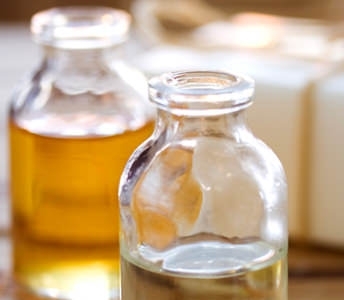
D.I.Y. How to Make Your Own Aromatherapy Oils


Distilling essential oils is a long process, and it means quite a large capital outlay for a small amount of oil. Buying essential oils is also expensive, but there is a way you can get the therapeutic benefits of aromatic oils and vinegars quite cheaply at home.


Instructions:

To begin, you will need a collection of clean, sterilized bottles and jars. You can recycle jam jars, and glass bottles, but you need to wash them thoroughly first in hot soapy water, then boil in a large saucepan for 20 minutes.

You will need at least one standard American cup of plant material. For your first attempts, use strongly aromatic plants like lavender, rose petals or rosemary. These will give you an oil that can be put to many uses around the home.

The oil you use should be related to the purpose you have in mind – you can use baby oil or almond oil for cosmetics, safflower or canola for general purposes, and olive oil for cooking.

Place the plant material in your jar or bottle. If you are using a bottle, you can push stems of lavender or rosemary into the bottle.

Now pour the oil over the plant material, making sure the bottle or jar is full. As a rough rule of thumb, use two cups of oil to one cup of plant material. You don't need to warm the oil before you pour it in the bottle or jar.

Now cap the bottle or jar tightly and place it in a warm spot. This could be a sunny place on the veranda or windowsill, or in a warm cupboard, such as an airing cupboard or next to the hot water heater. Leave the oil to infuse for a few days, or until the plant material begins to brown. Take the cap off and sniff - if it is not strong enough for you, strain the liquid, fill the jar with fresh plant material, and pour the oil back over it. Leave for another few days. Keep doping this until the mixture is as aromatic as you want.

Additonal Tips:

If the plant material used is very strong, such as a strongly scented rose, or jasmine, you should get a good scent just changing the plant material once or twice.

When the oils are done to your liking, strain thoroughly and put in a clean bottle. Keep your aromatic oil in a cool place, or add to recipes for lotions and creams.

For example, if you want a rose scented cleansing cream, make up a batch of rose oil and add a tablespoon to a jar of plain sorbolene cream and whip it up. To make a wrinkle fighting night cream, add the contents of six Vitamin E oil capsules and whip them in as well.

You can use any strongly scented flower petals, and the range is as wide as the scented flowers in your garden. Try jasmine, frangipani, honeysuckle, marigold, violets - the choice is endless.

For culinary use, put some sprigs of herbs, such as rosemary, thyme or basil, into a tall bottle, and pour over good quality cooking oil such as safflower or olive. You can also add garlic, chilies or whatever seasoning takes your fancy. Leave where the sun can warm the bottles for a couple of weeks.

You use the same method for making aromatic vinegar. Choose a good quality wine or apple cider vinegar and pour it over your herb sprigs. Leave for a few days in a warm place and you will have a delicious addition to salad dressings.

By Gail Kavanagh of Gardening, Decor & Home Improvement


Tuesday, September 3, 2013

D.I.Y Fabric Covered Memo Board

(Please note: You may already have a cork board that can be repurposed for this project, and because bulletin boards come in various sizes and shapes, materials and instructions do not recommend specific quantities. Instead, instructions are given so that you may calculate materials needed to complete this project.)


You'll Need:
Fabric: To determine how much fabric you'll need, measure the cork portion only of the bulletin board and add 4" inches to the height and 4" to the width. Cut fabric to size.
Ribbon: To determine how much ribbon you'll need, multiply the width x height of the bulletin board in inches. Determine yardage by dividing that number by 36". (If it seems like a lot of ribbon- it is. The small board done in the photo took 5 yards of ribbon.)
Upholstery tacks
Spray Adhesive


Tools Needed:
Scissors 
Newsprint
Painters or masking tape
Office stapler/staples
Straight pins
Tape measure
Pencil or chalk


Instructions:
1. Protect working surface with newsprint. Mask off bulletin board frame with painters tape. Spray a generous coat of spray adhesive onto cork board.

2. Center fabric on cork board and smooth fabric into place working from the center out to the edges of the frame. Pull fabric taught and press in place. Turn fabric edges under approx. 2" on all sides; press and pin in place.

3. With office stapler unfolded, staple edges of fabric approx. 1/8" from inside edge of frame. Continue stapling till fabric is secure; remove pins.

4. To determine placement for ribbon, divide the board into fourths or thirds; mark each point at edge of fabric with chalk or pencil. Begin stapling ribbon at top center of board; pull ribbon taught diagonally to the next mark (either left or right) and staple in place. Cut ribbon close to staple. Continue stapling ribbons crisscrossing them until board is completely finished.

5. Cover all staples by outlining inside edges of frame with ribbon. Secure ribbon by placing upholstery tacks where ribbons intersect. Continue placing tacks at each intersection. Remove masking tape from frame.

by Kelley R. Taylor for CreatingHomeDecor.


Wednesday, August 28, 2013

10 Easy Steps Hairstyle for Long Hair

Here is another helpful video about 
This is very useful for Working Girls who don't know how to manager their Long Hair.

Enjoy!!


How to Curl Hair with a Straightener?

I wanted to share this video i saw on Youtube in 
How to Curl Hair using a straightener.
I've try this and remember practice makes perfect! 
Hope it will help you too.. 


D.I.Y. Pillowcase Bag


What to do with old or unwanted Pillowcase? 
You can make it a fashionable bag and it is so easy. 
Please follow the D.I.Y. Printed Pillowcase Bag illustration below and be imaginative to create a fashionable bag like this!